Grooves and Gigabytes: Why Vinyl Collectors Are Quietly Reshaping the Way America Streams
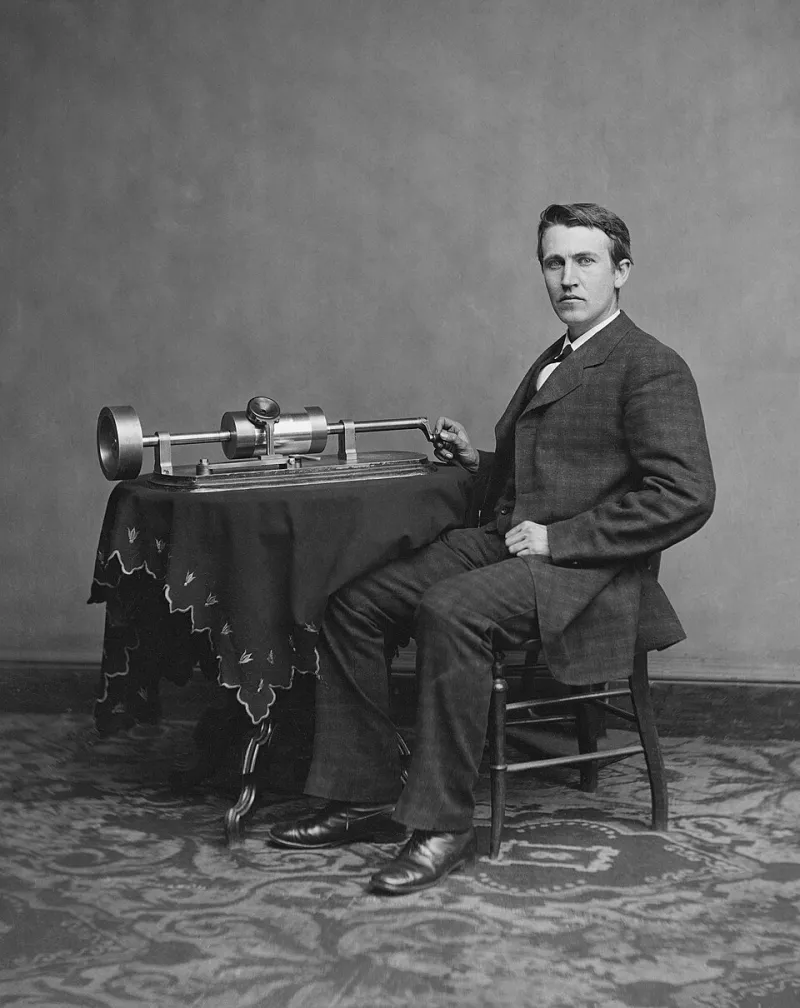
Photo: Levin C. Handy (per http://hdl.loc.gov/loc.pnp/cwpbh.04326), Public domain, via Wikimedia Commons
There's something a little absurd about the current moment in music. Streaming platforms are serving up entire catalogs with a voice command, yet Americans are also lining up at record stores on Saturday mornings to drop forty bucks on a reissued LP they could technically hear for free. Vinyl sales hit record highs again in 2024 — pun very much intended — while Spotify crossed 600 million active users. These two realities don't cancel each other out. Increasingly, it looks like they're feeding each other in ways nobody fully predicted.
So what's actually going on? And why should anyone who cares about the future of music listening pay attention?
The Collector's Mindset Is Bleeding Into the Stream
Spend time talking to serious vinyl heads and a pattern starts to emerge. When they sit down with a record, they're not shuffling. They're not skipping. They're committing — side A, then side B, in the order the artist intended. That kind of intentional listening builds habits, and those habits don't just disappear when the turntable stops spinning.
A growing number of collectors are describing what you might call a "record store effect" on their streaming behavior. They'll pick up an album on wax, fall deep into it over a few weeks, and then go searching on their preferred platform for the artist's back catalog, live recordings, deep cuts — stuff that's harder to find on vinyl or too expensive to track down physically. The physical record becomes the gateway. The stream becomes the research tool.
It's a fundamentally different relationship with music than the one the algorithm is designed to encourage. Instead of passive discovery — "you might also like" — it's active excavation. Collectors are bringing crate-digger energy to their playlists, and that shift is worth paying attention to.
Why Audiophiles Still Don't Fully Trust Lossless
Here's where it gets a little spicy. Streaming platforms have been loudly promoting lossless and hi-res audio for a couple of years now. Apple Music, Tidal, Amazon Music HD — they've all made a big deal out of offering CD-quality or better audio. The pitch is simple: why mess with physical formats when you can get studio-quality sound straight to your earbuds?
Serious vinyl enthusiasts are not buying it. And their skepticism goes deeper than just sound quality snobbery.
For one, the warm analog character of a well-pressed record on a decent turntable setup genuinely does sound different from even the best digital file — not necessarily "better" in a measurable sense, but different in a way that matters to people who've trained their ears to notice. But beyond the sonic debate, there's a trust issue. Lossless files on a streaming platform can disappear. Licensing deals expire. Catalogs get pulled. Your vinyl collection, on the other hand, sits on your shelf indefinitely, completely immune to a label dispute or a platform's business pivot.
That permanence is part of the appeal, and no amount of hi-res audio marketing has managed to fully address it. When you own the record, you own the experience — full stop.
What Dual-Format Listening Means for Discovery
For music discovery, the vinyl-plus-streaming combo is actually producing some genuinely interesting outcomes. Independent artists who manage to get even a small pressing into circulation — through Bandcamp, local shops, or limited online runs — are seeing those physical releases drive streaming numbers in ways that feel organic and community-driven rather than algorithm-pushed.
A record in someone's hands gets played at a dinner party. A friend hears it, Shazams it, and saves it to their library. That Shazam leads to a streaming search, which leads to playlist adds, which eventually catches the attention of editorial teams at the platforms. It's a slower burn than going viral on TikTok, but the audience it builds tends to be stickier. These are listeners who found the music through a real human moment, not because an algorithm decided to test it on them.
For emerging artists, this creates a real strategic opportunity. A limited vinyl run isn't just a revenue stream or a collector's item — it's a discovery engine with legs.
The Revenue Reality Check
Of course, we can't talk about formats without talking about money. And the math here is pretty stark. A single vinyl sale can net an independent artist anywhere from five to fifteen dollars, depending on how they've structured their distribution. A thousand streams on Spotify generates somewhere in the neighborhood of three to five dollars total. The economics aren't close.
That gap is pushing a lot of artists — especially indie acts with dedicated but modest fanbases — to think about physical releases not as nostalgia projects but as genuine revenue strategy. Pressing costs have gone up, and the wait times at pressing plants are still frustratingly long, but for artists whose listeners are the type to actually buy a record, the return on investment can be significant.
Some are getting creative about it, bundling vinyl with digital download codes, exclusive streaming links, or even access to private listening sessions. The physical object becomes the anchor of a deeper fan relationship, with the streaming platform serving as the ongoing connection point between releases.
Two Formats, One Listening Culture
What's emerging isn't really a competition between vinyl and streaming — it's more like a two-speed listening culture. Streaming handles the volume, the convenience, the discovery, and the everyday background music that fills our commutes and workdays. Vinyl handles the intentional stuff — the sit-down-and-really-listen moments that remind people why they fell in love with music in the first place.
These two modes reinforce each other more than they compete. And honestly, for anyone who cares about music as more than content — as an actual art form worth paying attention to — that's a pretty encouraging development.
At Fresh FM Online, we're here for all of it. The algorithm finds, the record shelf keeps. And sometimes the best listening experience is the one you planned for.