Gone Without Warning: The Hidden Forces Erasing Your Streaming Playlists
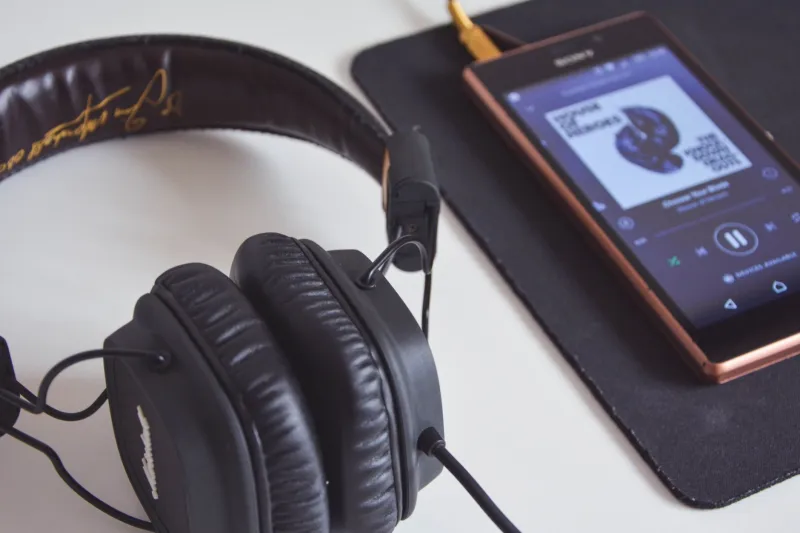
You've been curating that playlist for three years. It's got the perfect arc — the warm-up tracks, the peak energy cuts, the cool-down closers. You've shared it with friends, listened to it on road trips from Jersey to Jacksonville, and basically treated it like a living document of your musical identity. Then one Tuesday morning, you pull it up and find a graveyard of gray-out icons where songs used to be.
No explanation. No notification. Just gone.
This isn't a rare bug or a bad internet connection. It's happening to listeners across every major streaming platform, and it's way more common than Spotify, Apple Music, or Tidal would like you to think about. Let's break down exactly why your music keeps vanishing — and what you can actually do about it.
The Licensing Machine Nobody Talks About
Here's the thing most casual listeners don't realize: when you hit play on a song, you're not actually playing a file you own. You're accessing a temporary license that the streaming platform has negotiated with whoever controls that recording. That could be a major label, an indie distributor, a music publisher, or sometimes the artist themselves.
Those licensing deals expire. They get renegotiated. They fall apart entirely. When a contract between, say, a mid-size indie label and a streaming service lapses — even briefly — every song in that label's catalog can vanish from the platform overnight. The label might be in the middle of a perfectly normal contract renewal, but from your perspective, it just looks like your playlist got wrecked.
Major label disputes make headlines when they happen — remember when Taylor Swift pulled her entire catalog from Spotify back in 2014? But the quieter, smaller-scale licensing gaps happen constantly, affecting thousands of artists whose names never trend on social media.
When Artists Change Distributors (Or Just Move On)
The indie music world runs on digital distributors — services like DistroKid, TuneCore, CD Baby, and others that help independent artists get their music onto streaming platforms without a traditional label deal. When an artist switches distributors, or lets their distribution contract lapse, their music can temporarily or permanently disappear from platforms.
Sometimes artists do this intentionally. They might be pulling music to re-release it under a new deal, remastering an old album, or simply walking away from a platform that isn't paying them fairly. Other times it's accidental — an expired credit card on a distribution account, an overlooked renewal notice, a backend error that nobody caught in time.
From a listener's standpoint, the result is the same: that deep cut you loved from a bedroom producer you discovered three years ago is just gone, and there's no breadcrumb trail to follow.
The Legal Landmine of Samples and Interpolations
Sampling has been a cornerstone of American music culture for decades — hip-hop, R&B, electronic music, even pop has borrowed liberally from the past. But every uncleared sample is a legal time bomb sitting inside a song's streaming availability.
When a sample dispute surfaces — sometimes years after a song's original release — platforms can be forced to delist the track while the legal situation gets sorted out. Depending on how complicated the case is, "sorted out" could mean months or years. Some songs never come back. Others return in edited versions with the offending sample removed, which can completely change the feel of a track you fell in love with in its original form.
This is especially common with older catalog music being uploaded to streaming for the first time. Rights holders sometimes discover sample issues only after a track starts generating meaningful royalty income — and suddenly a song that's been live for two years quietly disappears.
Platform Purges and Content Audits
Streaming services also conduct their own internal audits, pulling content that violates updated terms of service, contains flagged metadata errors, or was uploaded fraudulently. Streaming fraud — where fake artists upload white noise or plagiarized content to game royalty systems — has become a serious enough problem that platforms regularly sweep their catalogs for suspicious content.
The problem is that legitimate music sometimes gets caught in these dragnets. If a distributor is found to have uploaded fraudulent content, the platform might suspend or remove all content from that distributor while the investigation plays out — including totally legitimate artists who just happened to use the same service.
What You Can Actually Do About It
Okay, enough doom and gloom. The good news is that listeners aren't completely powerless here. There are real, practical steps you can take to protect your digital music life.
Back up your playlists with a third-party tool. Services like Soundiiz, TuneMyMusic, and Playlist Buddy let you export your playlists and transfer them between platforms. More importantly, they create a record of what was in your playlist — even after tracks go dark. Make it a habit to export your most important playlists every few months.
Download for offline listening while you can. Most paid streaming tiers let you download tracks for offline playback. If a song is available today, downloading it gives you a window to listen even if it disappears from the catalog later. It's not a permanent solution, but it buys time.
Build a backup library through purchases. Bandcamp remains one of the most reliable ways to actually own digital music files. When you buy a track or album there, you get a downloadable file that lives on your device — no licensing deal can take it away. For artists you really care about, consider owning a copy outright.
Follow artists directly. If a song you love disappears, the artist is usually the fastest path to finding it again. Follow them on social media, sign up for their newsletter if they have one, and check their official website. Artists often announce when their music moves platforms or becomes available through new channels.
Note the details before they're gone. When you add a song to a playlist, take a second to note the artist name, album, and release year somewhere outside the platform — even a basic notes app works. If it disappears, you'll have enough information to track it down on YouTube, SoundCloud, or wherever it might resurface.
The Bigger Conversation We Should Be Having
The playlist graveyard problem is really a symptom of a larger tension at the heart of the streaming era: listeners have been sold the idea of unlimited access, but that access was always conditional. You don't own the music. You rent it, and the terms of that rental can change without notice.
That's not necessarily a reason to abandon streaming entirely — the convenience and discovery tools are genuinely valuable. But it is a reason to be more intentional about how you build your digital music life. Think of streaming as your listening layer and direct ownership as your foundation.
At Fresh FM Online, we believe your relationship with music should be on your terms. Your sound, your station — and ideally, your backup hard drive. Don't let someone else's contract dispute take your favorite playlist down with it.