Press Play From Track One: The Quiet Revolt Against Shuffle That's Changing How We Listen
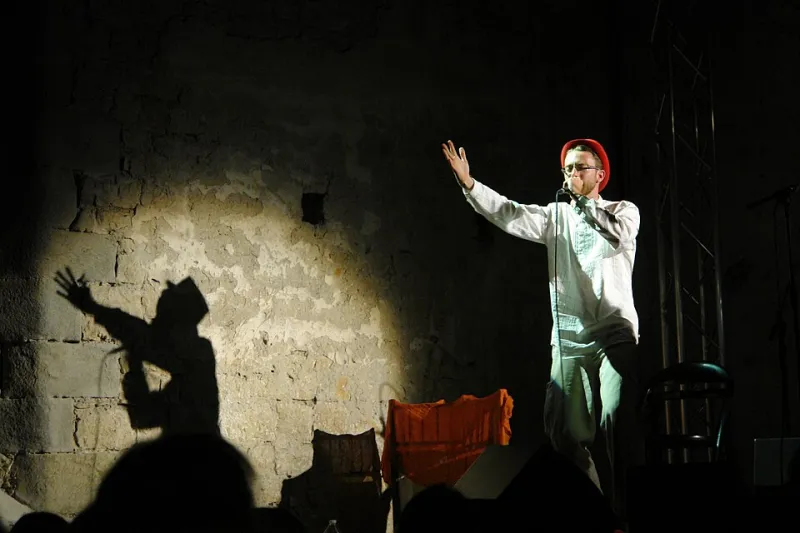
Photo: Yann Forget, CC BY-SA 4.0, via Wikimedia Commons
There's something quietly radical happening in living rooms, on commutes, and through late-night headphone sessions across America. People are pressing play on Track 1 and not touching a single button until the last song fades out. No skipping. No shuffling. No algorithm steering the wheel. Just the album — start to finish — exactly the way the artist built it.
For a streaming culture that spent the last decade optimizing for endless variety, this is practically a revolutionary act.
The Shuffle Default and Why It Feels Empty
When streaming platforms took over, shuffle became the standard. It made sense on paper: more songs, more variety, less repetition. But somewhere along the way, listeners started feeling like something was missing — even when the music itself was great.
Psychologists who study music consumption call it "context collapse." When an algorithm drops you into the middle of an artist's catalog without any connective tissue, you're getting the notes but not the narrative. A song that hits differently as a closer — the kind of track an artist agonized over placing last — lands flat when it randomly pops up between two unrelated artists on a mood playlist.
Playlist fatigue is real, and it's been building. Listeners describe a creeping sense of sonic numbness after hours of algorithmically curated content. Everything sounds fine. Nothing sounds felt. That emotional gap is exactly what's driving people back to the album format.
Gen Z Is Leading This Thing
Here's the plot twist nobody saw coming: it's not just older millennials getting nostalgic for the CD era. Gen Z — the generation that grew up entirely inside the streaming ecosystem — is among the most vocal about reclaiming the album experience.
On TikTok and Reddit threads, younger listeners are sharing their "album listening sessions" the way people used to share movie watch parties. There's a whole culture building around sitting with a record in order, often with the album artwork pulled up on screen, treating it like an event rather than background noise. Some are even logging their listens on apps like Last.fm or Rate Your Music, building personal archives of complete album experiences.
The irony is sharp: the generation most targeted by algorithmic recommendation is the one pushing back hardest against it. They've grown up with the shuffle default and, maybe because of that, they recognize what it costs them.
Artists Are Responding — and Doubling Down
Here's where it gets interesting from a creative standpoint. Artists are paying attention. And many of them are leaning into album cohesion harder than ever, almost as a form of artistic resistance.
When Beyoncé dropped Lemonade and then Renaissance, the conversation was always about the body of work — the arc, the sequencing, the visual and sonic world-building. When Kendrick Lamar releases music, the album structure is part of the statement. Even newer artists are building records that are clearly designed to be heard whole, with interludes, callbacks, and thematic threads that only make sense if you stay in your seat.
Some artists have gone further. A handful have publicly asked fans to listen without shuffle, including brief notes in liner art or social posts. It's a direct appeal: trust the sequence. And fans are listening — literally.
From a streaming strategy standpoint, this also makes business sense. Albums that generate full listen-throughs tend to build deeper listener loyalty than individual hit singles. A fan who completes an album is more likely to follow the artist, attend shows, and stick around for the next project. Depth creates connection in a way that a viral moment rarely does.
What Sequential Listening Actually Does to Your Brain
There's genuine science backing up why album listening hits differently. Music, like storytelling, benefits from structure — tension, release, contrast, resolution. When an artist sequences an album, they're creating an emotional journey with pacing built in. Slow openers that build, mid-album energy shifts, closing tracks designed to leave you somewhere specific.
When shuffle scrambles that sequence, you lose the journey. You still get the individual songs, but the cumulative emotional payoff — the thing that makes a great album feel like an experience — disappears.
Listeners who make a habit of sequential listening often report feeling more emotionally connected to the music, remembering albums more vividly, and developing stronger opinions about the artists they follow. It's the difference between reading a novel and reading random chapters out of order. The sentences are the same. The story isn't.
Fresh Listening in a Stale Playlist World
At Fresh FM Online, we talk a lot about what it means to have your sound — music that actually reflects who you are and how you want to feel, not what an algorithm guesses you might not skip. The album listening movement fits squarely into that. It's about agency. It's about choosing depth over convenience.
The good news? Streaming platforms are starting to notice. Some have introduced features that make it easier to play albums in order without shuffle defaulting back on. Dedicated album pages are getting more prominent real estate on certain platforms. It's slow progress, but the infrastructure is shifting — because listener behavior is shifting.
How to Start Your Own Album Session
If you haven't sat with a full album in a while, here's the move: pick something you've always meant to really hear, not just have on in the background. Block out 45 minutes. Lock your phone screen. Start at Track 1.
Some starting points that reward the full listen:
- A concept album with a clear narrative thread
- Any debut record from an artist you love — debuts are often the most intentional
- Something from a genre you don't usually explore; the unfamiliarity keeps you engaged
The shuffle mode isn't going anywhere, and it has its place. But there's something genuinely fresh — in the truest sense — about hearing music the way it was meant to land. One track at a time, in order, with nowhere else to be.
That's not nostalgia. That's just good listening.